Gua Sha vs. Face Roller: What Each Tool Can (and Can't) Do
The Short Answer
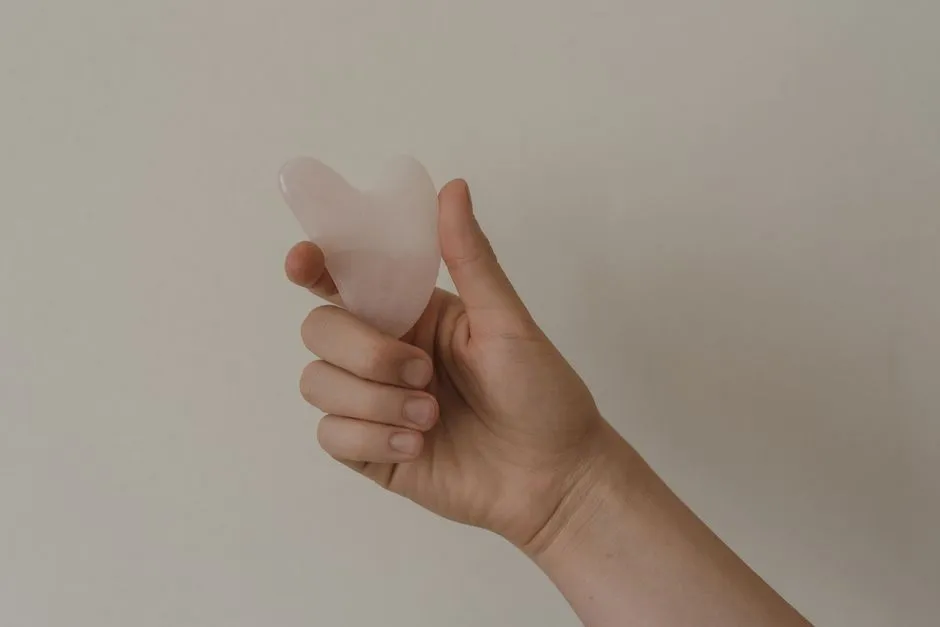
If you want one tool and you're willing to spend five minutes learning a technique, get a gua sha stone. Its flat, contoured edge lets you apply more deliberate pressure along the jaw, cheeks, and neck, which is where most people actually notice a difference — a temporarily de-puffed, "massaged" look. If you want something you can use half-asleep with zero technique, get a face roller. It's gentler, faster, and almost impossible to use wrong.
Here's the honest framing, though: both tools do the same fundamental thing — facial massage. Neither one reshapes your face, dissolves fat, erases wrinkles, or "detoxifies" anything. What they can realistically deliver is temporary de-puffing, a pleasant cooling sensation, and a few minutes of routine you may genuinely enjoy. That's not nothing, but it's worth knowing before you spend money.
Our picks at a glance:
- Best overall for visible (temporary) results: a flat gua sha stone in jade or stainless steel
- Best for beginners and low-effort routines: a dual-ended jade or rose quartz roller
- Best budget move: either tool from a no-name brand — the material matters far more than the label
- Skip both if: you're expecting anything a product page describes as "lifting," "sculpting," or "contouring" to be permanent
What These Tools Actually Do (and Don't)
Both gua sha and face rollers are massage tools. The mechanisms behind their plausible benefits are simple and mundane:
- Temporary de-puffing. Gentle pressure and stroking can help move retained fluid, especially in the morning. The effect fades within hours.
- Cooling. Stone tools hold cold well, especially straight from the fridge. Cold constricts surface blood vessels, which can briefly reduce the look of puffiness and redness.
- A moment of routine. Genuinely underrated. If a two-minute massage gets you to apply your facial oil consistently, the ritual is doing real work.
What the evidence does not support: permanent face slimming, wrinkle removal, "detoxing" (your lymphatic system does not need a rock's help to function), collagen claims, or jawline restructuring. Marketing for both tools leans hard on the word "sculpting" — treat it the way you'd treat "salon-grade" on a shampoo bottle. And a practical safety note: these are massage tools for intact, healthy skin. If you have active acne, eczema, rosacea flares, or any reaction, dragging a stone across your face can make things worse — that situation belongs with a dermatologist, not a tool.
This is the same evidence-first lens we apply across tools and devices: define what the gadget can plausibly do, then judge it on that — not on the ad copy.
Gua Sha: The Pick for Deliberate Massage
A gua sha stone is a flat, palm-sized tool — usually jade, rose quartz, bian stone, or stainless steel — with contoured edges designed to glide along the face and neck at a low angle.
Why it wins on results
- More control over pressure. The flat edge lets you apply light-to-moderate pressure exactly where fluid tends to sit: under the jaw, along the cheekbone, down the sides of the neck. Rollers can't match this precision.
- Better for the neck and jaw. The notched edge most stones have is shaped to trace the jawline, which is where temporary de-puffing is most visible.
- One tool, many zones. Different edges suit the forehead, cheeks, and neck without switching tools.
How to use it without hurting yourself
Always use it on skin prepped with a facial oil or slip-heavy moisturizer — never dry. Hold the stone nearly flat against the skin (around a 15-degree angle), stroke gently outward and downward toward the neck, and let each pass be light. Redness that fades in a few minutes is normal; pain, bruising, or broken capillaries mean you're pressing far too hard. Skin sensitized by strong actives — retinoids, exfoliating acids — deserves extra caution, the same way you'd ease into any new active rather than piling things on.
Worth knowing
Gua sha has a real learning curve, and the technique is the product. Used wrong — too fast, too hard, on dry skin — it's at best useless and at worst irritating. It also demands two to five focused minutes with an oil-slicked face, which is exactly the kind of step that quietly drops out of a routine after week two. If you already know you won't commit to a technique, the roller is the better buy.
Face Roller: The Pick for Zero-Effort Routines
A face roller is a rolling stone head (often two — a large one for cheeks and forehead, a small one for the eye area) on a handle. Jade and rose quartz dominate; the material differences are cosmetic, whatever the product pages imply.
Why it wins on ease
- No technique required. Roll upward and outward. That's the entire skill.
- Fastest cold tool in the routine. Kept in the fridge, a roller is a genuinely pleasant way to de-puff in the morning, particularly around the eyes.
- Gentlest option. Because you can't easily apply concentrated pressure, it's hard to overdo — a real advantage for sensitive or reactive skin.
- Works over most textures. It doesn't strictly need an oil base the way gua sha does, though slip makes it nicer.
Worth knowing
The roller's gentleness is also its ceiling. It delivers less pressure, less precisely, so the temporary de-puffing effect is milder than a well-executed gua sha session — around the jaw and neck especially. Cheap rollers also have a known hardware weakness: squeaky, loose roller heads that wobble or detach. It's an annoyance, not a safety issue, but it's the most common way these tools die.
Head to Head
| Gua sha stone | Face roller | |
|---|---|---|
| Learning curve | Real — technique matters | Essentially none |
| Time per session | 2–5 minutes | Under 2 minutes |
| Temporary de-puffing | Stronger, especially jaw/neck | Milder, best around eyes |
| Needs facial oil | Yes | Optional but nicer |
| Risk of overdoing it | Moderate (pressure, dragging) | Low |
| Cooling from the fridge | Good | Excellent |
| Durability concerns | Chips/shatters if dropped | Squeaky or loose heads |
| Typical spend | Roughly $8–$40; prices vary by retailer | Roughly $8–$35; prices vary by retailer |
| Long-term structural claims | Unproven | Unproven |
How to Buy Either One Well
The good news: this is a category where spending more buys you almost nothing. Our criteria:
- Smooth, well-finished edges. Rough seams or chips scratch skin. This is the only spec that truly matters on a gua sha stone.
- Solid construction. For rollers, check that heads sit tight in the frame. For stones, real stone or stainless steel over lightweight resin painted to look like jade.
- Shape over material. Jade vs. rose quartz vs. bian stone is aesthetics and feel, not performance. Claims about "energy" or special mineral benefits are marketing. Stainless steel is worth a look if you want maximum cold retention and drop-resistance.
- Ignore celebrity and brand markup. A $60 stone does not out-massage a $12 stone of the same shape and finish.
Whichever you choose, wash it with mild soap and warm water after use — it touches your face and sits in a damp bathroom, and that's reason enough.
Verdict
Choose by honesty about your own habits, not by which tool photographs better:
- Gua sha if you'll actually spend a few minutes on technique and want the most noticeable (still temporary) de-puffing, especially along the jaw and neck.
- Face roller if you want a cheap, pleasant, foolproof cold-massage tool for morning puffiness — particularly around the eyes.
- Neither if you're buying it to change your face shape. No massage tool does that, and any product copy promising it is selling the photo, not the stone.
Both are inexpensive enough that "a pleasant two minutes you'll actually repeat" is a fair bar to clear. If you're weighing this purchase against pricier gadgets, our honest look at whether LED face masks are worth it applies the same test to a much bigger price tag.