Do You Need Eye Cream? What It Can Actually Do
Eye cream is optional, not an essential category
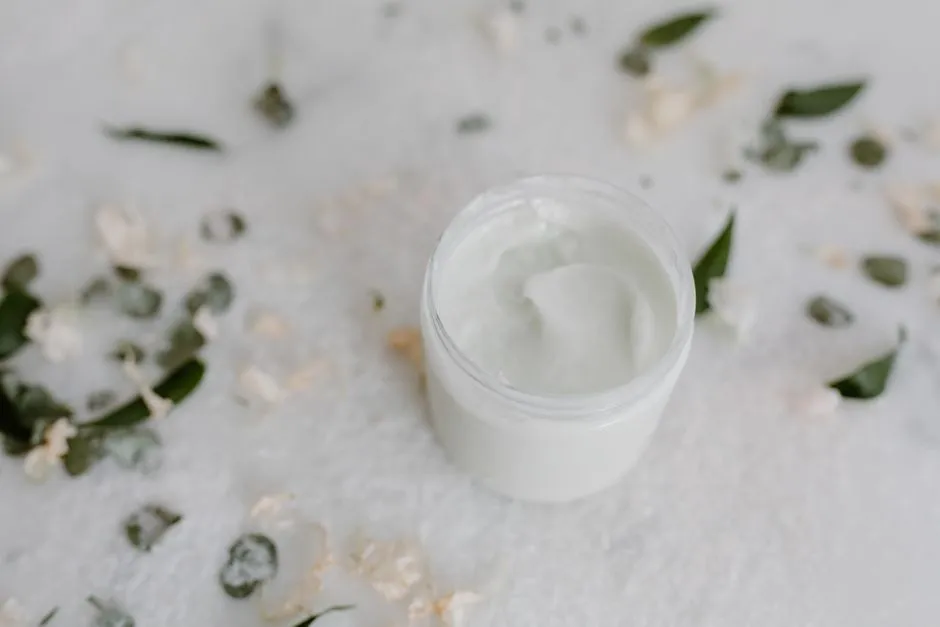
You do not automatically need a separate eye cream. If a plain facial moisturizer feels comfortable around your eyes and gives you the hydration you want, it can do the basic job perfectly well. Eye creams are moisturizers made for a small, sensitive area; the category name does not grant them abilities that the ingredient list cannot support.
A separate product can still earn its place. It may have a lighter texture that does not travel into the eyes, a richer texture for dry under-eyes, or an active formulated at a gentler level than the one you use on the rest of your face. The honest question is not whether everyone needs eye cream. It is whether a particular formula solves a problem your current routine does not.
Eye cream and face moisturizer overlap
Both categories usually rely on the same three types of moisturizing ingredients:
- Humectants, such as glycerin and hyaluronic acid, help the upper layers of skin hold water.
- Emollients, including fatty alcohols and plant-derived oils, smooth the feel of dry skin.
- Occlusives, such as dimethicone and petrolatum, slow water loss by leaving a light seal.
That architecture is not unique to a tiny jar. Many of the formulas in our dry-skin moisturizer guide contain the same kinds of workhorse ingredients. If one of them is fragrance-free, comfortable near your eyes, and does not migrate, buying a second moisturizer may add cost without changing the result.
Eye products often differ in texture, packaging, and active strength. A small tube can make controlled application easier. A gel may sit better under concealer than a heavy face cream. A product intended for the eye area may also avoid a level of fragrance or exfoliating activity that would be tolerable on the cheeks but uncomfortable near the eyes. Those are practical advantages, not proof that every eye cream outperforms every moisturizer.
Match the product to the concern
"Tired eyes" is a marketing phrase, not one problem. Dryness, fine lines, puffiness, and dark circles have different causes, so one cream cannot reliably erase all four.
Dryness and crepey texture
This is the clearest case for a moisturizer, whether the label says eye cream or face cream. Humectants can make dehydrated surface lines look softer, while emollients and occlusives make the area feel smoother. The effect depends on continued use; it is not a permanent structural change.
Choose a bland, fragrance-free formula if the area is reactive. Richness is personal. A balm can feel comforting at night but make concealer slide in the morning, while a light gel may wear beautifully and still be too little for visibly flaky skin.
Fine lines
Moisture can temporarily soften the appearance of fine dehydration lines. Products containing retinoids or certain other well-established actives may support longer-term changes in the look of photoaged skin, but results depend on the exact formula and consistent use. The eye area is also easy to irritate.
Do not carry a strong face treatment right up to the lash line merely because an eye cream costs more. If you want an active, choose a product whose directions specifically permit use around the eyes, introduce it slowly, and stop if irritation develops. More tingling is not evidence of more progress.
Puffiness
A cool gel and gentle application can make morning puffiness look temporarily less obvious. Caffeine appears in many eye products, but the visible effect is generally modest and product-dependent. A cream cannot promise to change persistent bags caused by anatomy or long-term tissue changes.
Persistent, painful, sudden, or one-sided swelling is not a cosmetic shopping problem. Seek appropriate medical advice instead of testing stronger products around the eye.
Dark circles
Dark circles may reflect pigment, visible vessels, shadow from the tear trough, irritation, or a combination. A moisturizer can improve dryness, and a brightening formula may gradually affect some surface discoloration, but no single topical can correct every cause. If the darkness is mostly a structural shadow, a cream cannot refill the contour.
This is where before-and-after marketing is especially slippery. Lighting, head angle, concealer, and temporary hydration all change how the area photographs. Judge a product by a realistic target, not by the promise to make a complex feature disappear.
Ingredients worth understanding
You do not need the longest ingredient list. Start with the job you want done.
| Goal | Useful formula features | What to watch |
|---|---|---|
| Basic hydration | Glycerin, hyaluronic acid, dimethicone, ceramides | Fragrance if you are sensitive |
| Richer overnight moisture | Petrolatum, squalane, shea butter, richer emollients | Migration into the eyes; pilling the next morning |
| Fine-line care | Hydration first; an eye-area retinoid if tolerated | Dryness, peeling, and applying too close to the eye |
| Morning puffiness | Light gel texture; caffeine in some formulas | Temporary effect presented as permanent change |
| Uneven-looking tone | Gentle antioxidant or brightening ingredients | Irritating multi-active blends and oversized promises |
Ingredient presence alone does not tell you concentration, stability, delivery, or tolerability. That is why a familiar active on the front label cannot guarantee a result. Our plain-English ingredient guide explains how to read the full list without treating one fashionable ingredient as the whole formula.
When a separate eye cream makes sense
An eye cream is a reasonable purchase when:
- your face moisturizer stings or travels into your eyes;
- the under-eye area is much drier than the rest of your face;
- you want a lighter layer that behaves better under makeup;
- you want an active product specifically directed for eye-area use;
- the controlled opening and small amount help you apply consistently;
- you enjoy the step and its price does not displace sunscreen or other basics.
It is probably shelf clutter when your moisturizer already works, you are buying it only because a routine chart says you should, or the product promises to erase bags and dark circles regardless of cause. Packaging can be lovely and still be the main difference.
How to apply eye cream safely
Use clean hands and a small amount. Dot it around the orbital area and spread it gently without dragging the skin. Keep the product out of the eye itself and follow its label for placement; not every formula belongs on the mobile eyelid or directly against the lash line.
In a routine, a light eye gel can go after watery serums and before face moisturizer. A richer eye cream can go with the moisturizer step. In the morning, finish with broad-spectrum sunscreen that you can comfortably use as directed around the area. The complete sequence is in our skincare routine order guide.
Patch-test a new active formula before committing the whole eye area. Our patch-testing guide explains the limits of a home test: it can reveal some irritation, but it cannot guarantee that a product will never cause a reaction. Introduce one new product at a time so you can identify the cause if something goes wrong.
Stop using a product if it causes ongoing burning, marked redness, swelling, or eye irritation. Do not share jars, and keep fingers, applicators, and container openings clean. If irritation persists after you stop, get advice from a qualified clinician.
How to shop without overpaying
Read the ingredient list before the claim panel. For basic hydration, compare the eye cream with the face moisturizer you already own. If the first several ingredients and overall texture are similar, decide whether the smaller packaging or different finish is worth the extra cost per use.
Prefer opaque pumps or tubes for formulas whose actives are sensitive to repeated air and light exposure. Avoid dipping wet or unwashed fingers into a jar. Ignore instant-lift language unless you are happy with a temporary cosmetic film; a short-lived tightening sensation is not the same as rebuilding skin.
Fragrance is not automatically harmful, but it adds no moisturizing benefit and can be an avoidable problem near reactive eyes. Multiple strong actives in one eye product also deserve caution. A gentle formula used regularly is a better bet than an ambitious one you abandon after three uncomfortable nights.
The better verdict is specific to your shelf
Keep your facial moisturizer if it hydrates the eye area comfortably. Add an eye cream only when you can name the missing function: a better makeup layer, more overnight richness, less migration, or a carefully formulated active. That standard turns the purchase from a compulsory beauty step into a practical choice.
No cream can guarantee the removal of puffiness, deep lines, or dark circles, and persistent irritation belongs with a professional rather than a product experiment. For everyone else, a small amount of a simple, well-tolerated moisturizer is the unglamorous answer that usually matters most.