How to Choose a Vitamin C Serum: Forms, Concentrations, and Red Flags
The Short Answer
If you remember nothing else from this guide, remember this: the form of vitamin C matters more than the percentage on the box. A well-formulated 10% L-ascorbic acid serum in opaque, air-restricted packaging will outperform a 25% "mega-dose" derivative in a clear dropper bottle sitting under bathroom lights.
Here's the quick decision tree:
- Experienced skin, want the most-studied option: 10–20% L-ascorbic acid, pH around 3.5 or below, ideally paired with vitamin E and ferulic acid.
- Sensitive or reactive skin: a gentler derivative — sodium ascorbyl phosphate, magnesium ascorbyl phosphate, or ascorbyl glucoside — at modest concentrations.
- Dry skin that hates watery, acidic serums: tetrahexyldecyl ascorbate (THD ascorbate), an oil-soluble form that usually comes in richer textures.
- Total beginner: start low (8–10% L-ascorbic acid or any derivative), and patch-test before you commit your whole face.
The rest of this guide explains why those are the answers — because vitamin C is the skincare category where marketing does the most heavy lifting, and the label tells you almost everything if you know how to read it.
Why Vitamin C Serums Are So Hard to Shop For
Vitamin C is one of the best-supported ingredients in cosmetic skincare: mainstream cosmetic science credits it with antioxidant protection and support for a brighter, more even-looking skin tone over time. That reputation is exactly why the category is crowded with products that borrow the name without the formulation work.
The core problem is chemistry. Pure vitamin C — L-ascorbic acid — is famously unstable. It degrades with exposure to light, air, and heat, and it needs a low pH to stay effective in a water-based formula. A serum can be genuinely good the day it's bottled and mostly spent by the time you finish it, depending on how it's packaged and stored.
So choosing well comes down to four checks, in this order:
- Which form of vitamin C is it?
- At what concentration?
- Is the packaging protecting it?
- Are there red flags on the label or in the claims?
We'll take them one at a time. (For a broader primer on decoding labels, our plain-English guide to skincare ingredients covers the same skill applied to every category.)
Check 1: The Form of Vitamin C
Ingredient lists never just say "vitamin C." You'll see one of a handful of forms, and they are not interchangeable.
| Form (as listed on label) | Type | Best for | Worth knowing |
|---|---|---|---|
| L-ascorbic acid (ascorbic acid) | Pure vitamin C | Experienced users who want the most-researched form | Most likely to sting or irritate; least stable; needs low pH and careful packaging |
| Sodium ascorbyl phosphate (SAP) | Water-soluble derivative | Sensitive or breakout-prone skin | Gentler and more stable, but must convert in the skin, so expect subtler effects |
| Magnesium ascorbyl phosphate (MAP) | Water-soluble derivative | Dry or sensitive skin | Works at a skin-friendlier pH; hydrating feel; less direct research than L-ascorbic acid |
| Ascorbyl glucoside | Water-soluble derivative | Beginners wanting a low-fuss option | Very stable and well-tolerated; conversion-dependent, so gradual results at best |
| Tetrahexyldecyl ascorbate (THD) | Oil-soluble derivative | Dry skin; anyone who dislikes acidic, watery serums | Elegant textures and good stability, but often carries a premium price for modest evidence |
| Ethyl ascorbic acid | Derivative | Middle ground between potency and gentleness | Promising stability profile; a newer form with a thinner research record |
A fair reading of the evidence: L-ascorbic acid is the benchmark. It's the form behind most of the research that gave vitamin C its reputation. The derivatives trade some of that certainty for stability and gentleness — a reasonable trade for a lot of people, but a trade. Any brand implying a derivative is "just as proven" as L-ascorbic acid is rounding up.
If your skin is reactive
Persistent stinging, redness, or breakouts from any serum are a signal to stop, not push through. Mild transient tingling with L-ascorbic acid is common; actual irritation is not the price of entry. And if you're dealing with ongoing reactions, eczema, or stubborn acne, that's a dermatologist conversation — no serum swap fixes a skin condition.
Check 2: Concentration
The percentage race is where marketing gets loudest, so here's the honest picture:
- 8–20% is the sensible range for L-ascorbic acid. Research support is strongest in this window, and the general consensus is that benefits plateau near the top of it. Going higher mostly buys you more irritation risk, not more results.
- More is not better. A 30% serum is a marketing number, not a performance tier.
- Derivatives use different math. A 3% THD ascorbate or 5% SAP serum isn't "weaker" than a 15% L-ascorbic acid one in any directly comparable way — different forms, different behavior. Judge derivatives by formula quality, not by chasing a big number.
- Beginners should start low. An 8–10% L-ascorbic acid serum, or any derivative, is a smarter first purchase than the strongest thing on the shelf. You can move up later; you can't un-irritate your face.
One caveat worth stating plainly: percentages on packaging are self-reported by brands, and no regulator verifies them on your behalf. This is another reason packaging and formulation pedigree matter more than the number.
Check 3: Packaging and Stability
This is the most skippable-looking section and the most important one. Vitamin C's biggest enemy isn't a competing ingredient — it's oxygen and light.
Look for:
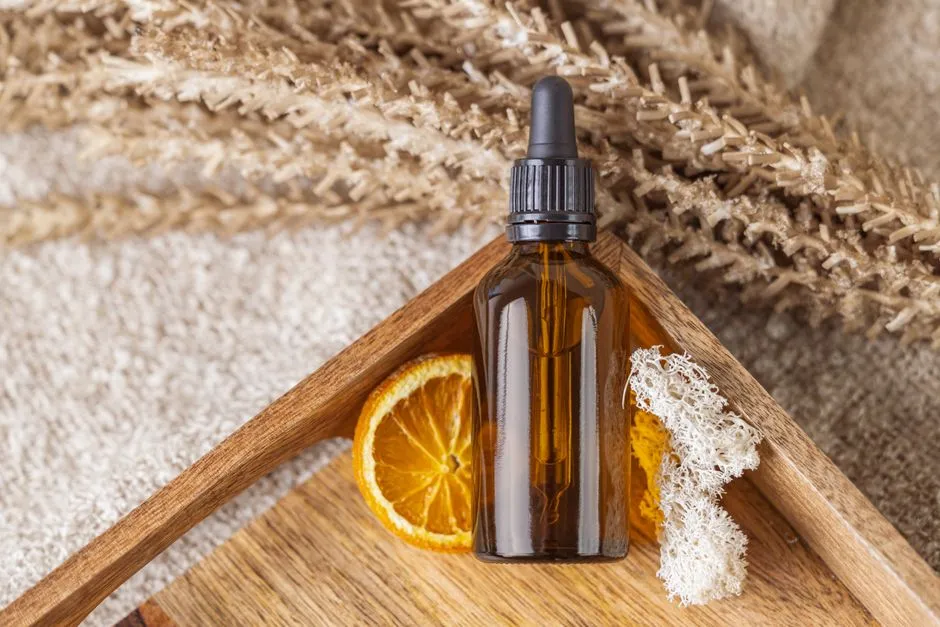
- Opaque or dark amber bottles. Clear glass looks lovely on a shelf and slowly cooks the formula.
- Airless pumps or tightly sealed droppers. Every time air hits the serum, a little more of it oxidizes.
- Supporting antioxidants. The combination of L-ascorbic acid with vitamin E (tocopherol) and ferulic acid is the most established stabilizing trio in the category — it's the formula approach made famous by SkinCeuticals C E Ferulic and borrowed by countless more affordable serums since.
- Small sizes. A 30 ml bottle you finish in two months beats a "value" 100 ml bottle that's oxidized by month three.
Watch the color. Fresh L-ascorbic acid serums run clear to pale champagne. Yellowing is early oxidation — the serum is weakening but generally still fine to use. Deep orange or brown means it's largely spent; replace it. Store your serum capped tightly, out of sunlight, and cool. Some people refrigerate L-ascorbic acid serums; it's not mandatory, but it doesn't hurt.
Check 4: Red Flags on the Label
These are the tells that a brand is selling the word "vitamin C" rather than the ingredient:
- "Vitamin C" only in the marketing, buried in the ingredient list. If the form of C appears after the fragrance and preservatives, it's there for the label, not your skin.
- Fruit extracts standing in for actual vitamin C. Kakadu plum, camu camu, and orange extracts contain vitamin C, but an extract at an unknown concentration is not a measured active. Fine as a supporting player; a red flag as the headline.
- No form named at all. "20% Vitamin C Complex" without telling you which molecule is a transparency problem.
- Clear packaging with an L-ascorbic acid formula. The brand either doesn't know or hopes you don't.
- Promised timelines. "Visible results in 7 days" is not a claim any honest vitamin C product can guarantee — skin varies too much, and no product can promise results.
- Unregulated reassurance words doing heavy lifting. "Clean," "non-comedogenic," and "hypoallergenic" are marketing terms with no standardized legal definition. They tell you about the brand's positioning, not the formula's behavior on your skin.
What You Should Expect to Pay
You don't need the famous bottle. Price in this category reflects brand prestige and formulation polish more than raw efficacy.
- Budget (~$10–$25): Genuinely competent L-ascorbic acid and derivative serums live here — The Ordinary and other ingredient-led brands built their reputations in this bracket. Textures can be less elegant (some budget L-ascorbic acid formulas feel gritty or tacky), and packaging is where corners most often get cut.
- Mid-range (~$25–$60): The sweet spot for most people. Better textures, better packaging, stabilized L-ascorbic acid trios, and well-done derivatives.
- Premium ($60–$180+): You're paying for pedigree formulas, extensive brand testing, and elegance. SkinCeuticals' antioxidant serums are the category's reference point, and they're good — but the gap between a strong $40 serum and a $170 one is far smaller than the price gap suggests.
Prices vary by retailer and region; treat these as ranges, not quotes.
Fitting Vitamin C Into Your Routine
Once you've chosen one, using it well is straightforward:
- Patch-test first. L-ascorbic acid especially. Our step-by-step patch-testing guide covers the how and how long.
- Morning is the conventional slot. Vitamin C's antioxidant support pairs logically with daytime exposure — applied after cleansing, before moisturizer and sunscreen. See our skincare routine order guide for the full layering logic.
- Sunscreen is not optional. Vitamin C supports your sun protection; it does not replace it. Broad-spectrum SPF, applied generously and reapplied, remains the non-negotiable step.
- Introduce one active at a time. If you're also starting a retinoid or exfoliating acids, stagger them so you know what's causing what.
The Bottom Line
Buy the form that suits your skin, at a moderate concentration, in packaging that takes stability seriously, from a brand that names its ingredients plainly. That filter eliminates most of the category's noise — including some expensive noise — and what's left is a short list of serums that earn their spot on your shelf. Start modest, patch-test, give it a couple of months of consistent use before judging, and let your skin, not the percentage on the box, cast the deciding vote.