Makeup Kit Essentials: What You Actually Need at Every Level
- The Short Answer: Eight Products Cover Almost Everything
- How We Decided What Counts as Essential
- Level 1: The Starter Kit
- The Three Levels at a Glance
- Level 2: The Working Kit
- Level 3: The Full Kit
- What You Can Confidently Skip
- A Note on Skin, Because Makeup Sits on It
- Build Slowly — It's Cheaper and You'll Wear More of It
The Short Answer: Eight Products Cover Almost Everything
A working makeup kit needs far fewer products than the beauty aisle suggests. Eight items cover the overwhelming majority of everyday looks: a base product matched to your skin, concealer, setting powder, brow product, mascara, a cream blush, a multi-use lip color, and two or three decent brushes. Everything beyond that is a refinement, not a requirement.
This guide is organized in three levels, because "essentials" means something different for a beginner than it does for someone who does a full face daily:
- Level 1 — The Starter Kit (8 items): everyday coverage, one look, minimal skill required.
- Level 2 — The Working Kit (12–14 items): adds range — eyeshadow, liner, a second lip option, better tools.
- Level 3 — The Full Kit (18–20 items): finish options, contour, setting spray, occasion-specific extras.
Our bias throughout is ruthless: if a product only works for one narrow look, it is not an essential. Every pick below earns its slot by doing more than one job, working across skill levels, or being genuinely hard to substitute.
How We Decided What Counts as Essential
Every "must-have" list is really a set of hidden criteria, so here are ours in the open:
- Frequency of use. An essential gets used most times you do your makeup. A shimmer topper you reach for twice a year is not a kit essential, however lovely.
- Substitutability. Cream blush can double as lip color; a contour palette cannot double as anything. Products that flex earn their space.
- Skill floor. Essentials should be forgiving. Products that punish imprecise application (liquid liner, full-coverage matte foundation) belong at higher levels, not in a starter kit.
- Shelf life economics. Mascara lasts roughly three months once opened; powder products last a year or more. We weight cheap-to-replace categories toward drugstore and long-lived categories toward spending more.
- Value per gram, not price. Drugstore and high-end options compete head-to-head here. When the $9 product performs, we say so.
One thing we don't do: pretend there's a single correct kit. Skin type, tone, and how much time you'll actually spend matter more than any list. Treat the levels below as a template to edit, not a shopping cart to fill.
Level 1: The Starter Kit
These eight products produce a complete, polished everyday look. If you're starting from zero, buy these first and nothing else for a month.
1. A Skin-Like Base (Tinted Moisturizer or Light-Coverage Foundation)
Why it's first: Base sets the ceiling for everything layered on top. A light-to-medium coverage formula — a skin tint, tinted moisturizer, or sheer foundation — is the right starting point because it's blendable with fingers, hard to overapply, and forgiving of a slightly-off shade match. Getting the shade right matters more than the formula itself; our guide on how to match your foundation shade at home covers undertones and testing without buying five bottles.
Worth knowing: Light coverage means light coverage. If you want to fully mask redness or hyperpigmentation, you'll be layering — and layering sheer products can get patchy. In that case a medium-coverage foundation is the honest pick, and it's worth reading up on where the extra money actually goes between drugstore and high-end foundation before assuming you need the expensive one.
2. Concealer
Why: Concealer does spot-duty a full-coverage foundation would otherwise do everywhere — under eyes, around the nose, over blemishes. One tube extends a sheer base into a "done" face. Well-established options exist at every price; drugstore standards like Maybelline's Instant Age Rewind and mid-range picks like NARS Radiant Creamy Concealer both have long track records and wide shade ranges.
Worth knowing: Under-eye and blemish concealing are slightly different jobs — brightening formulas can look obvious over spots. One concealer close to your skin tone is the versatile compromise; a dedicated brightening shade is a Level 2 refinement, not a starter need.
3. Setting Powder
Why: A translucent or skin-toned loose powder keeps base and concealer where you put them, especially through T-zone oil. Applied lightly with a fluffy brush, it's nearly invisible. This is a category where inexpensive options genuinely compete — finely-milled translucent powders are widely available under $15.
Worth knowing: Very dry skin may not need this daily. Powder can cling to dry patches and emphasize texture. If that's you, powder only the T-zone, or skip it and accept a little natural sheen.
4. Brow Product (Pencil or Gel)
Why: Brows frame the face; five minutes of brow work often does more than twenty minutes of eyeshadow. A fine-tip pencil (for sparse spots) or a tinted gel (for shaping what's there) is the fastest route to looking "finished." Pick one, not both, to start.
Worth knowing: Shade matters more than people expect — most should go one step lighter and ashier than their hair color. Warm-toned brow products read reddish and artificial on many people.
5. Mascara
Why: The highest impact-per-second product in any kit. This is also the category where spending more buys the least: mascara has a roughly three-month lifespan once opened, drugstore formulas (Maybelline and L'Oréal's core lines are the perennial standards) perform at or near the top of the category, and you'll throw it away long before you've had your money's worth from a $30 tube.
Worth knowing: "Waterproof" formulas hold curl better but are harder to remove, and aggressive nightly removal isn't kind to lashes. For daily wear, a regular formula is the more comfortable default.
6. Cream Blush
Why: The starter kit's best multitasker. Cream blush blends with fingers, doubles as a lip tint in a pinch, and reads more natural on bare-ish skin than powder. It's also nearly impossible to ruin — overapply and you just blend more.
Worth knowing: Cream products and long days don't always agree; on oily skin, cream blush can fade by mid-afternoon. Powder blush lasts longer but needs a brush and a lighter hand — a reasonable swap if longevity is your priority.
7. One Versatile Lip Color
Why: One "your lips but better" shade — a rosy, mauve, or brick tone near your natural lip color — works with every look the rest of this kit can make. Satin and balm-like formulas are the forgiving pick; they don't demand a perfect edge.
Worth knowing: The one-lipstick strategy fails at the extremes. If your ideal look is a crisp red or a deep vamp shade, those need liner and precision — budget them as Level 2 additions rather than forcing one bold shade to be your everything color.
8. Three Brushes (and Clean Hands)
Why: Fingers legitimately handle cream products. Beyond that, three tools cover the starter kit: a fluffy powder brush, a smaller blush brush, and a blending sponge for base. Synthetic sets from budget-friendly lines like e.l.f. and Real Techniques have made this a category where under-$25 covers all three.
Worth knowing: Brushes are only as good as they are clean — makeup residue affects both application and skin. Budget for maintenance from day one; our guide on how to clean makeup brushes and sponges covers how often is actually necessary.
The Three Levels at a Glance
| Level 1: Starter | Level 2: Working | Level 3: Full | |
|---|---|---|---|
| Item count | 8 | 12–14 | 18–20 |
| Base | Skin tint or sheer foundation | + medium-coverage foundation | + finish options (matte/dewy) |
| Eyes | Mascara, brow product | + neutral eyeshadow palette, pencil liner | + liquid liner, lash curler, shadow brushes |
| Cheeks | Cream blush | + bronzer | + highlighter, contour |
| Lips | One versatile shade | + one bold shade, lip liner | + gloss, additional finishes |
| Tools | 3 brushes/sponge | + 2–3 eye brushes | + setting spray, full brush set |
| Typical budget range | ~$60–$120 | ~$150–$300 | ~$300–$600+ |
| Looks it supports | One polished everyday look | Day-to-night range | Nearly anything |
Budget ranges are rough editorial estimates across drugstore and mid-range picks; prices vary widely by retailer and how far up-market you go in any single category.
Level 2: The Working Kit
Add these once the starter kit is genuinely in rotation — not before. Each addition expands range rather than duplicating what you have.
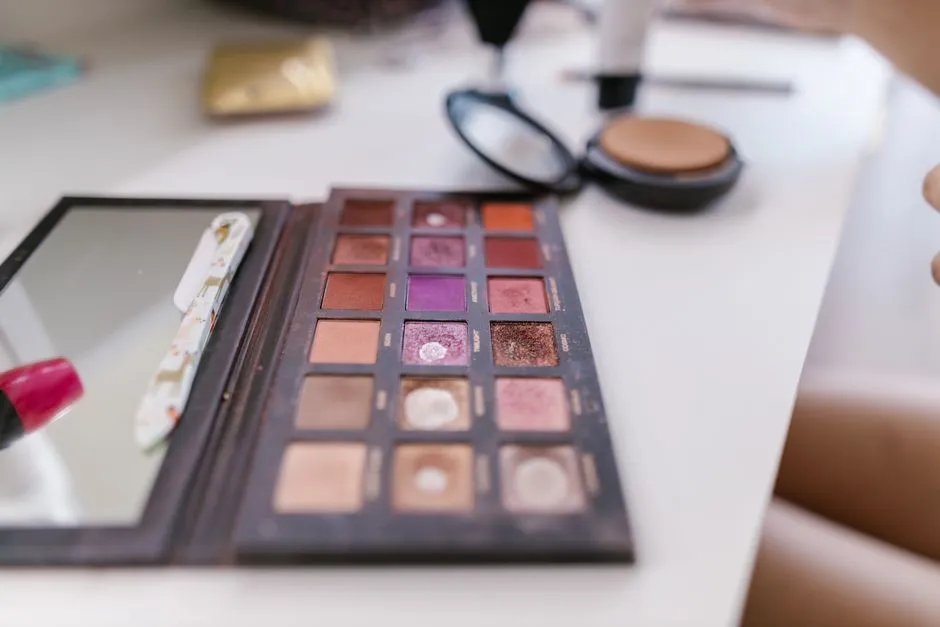
- A neutral eyeshadow palette (9–12 pans). The single biggest range-expander. Look for a mix of mattes with one or two satins, in a depth range that suits your skin tone. Skip the 40-pan mega-palettes; you'll use six shades of any palette you own.
- Pencil eyeliner. Forgiving, smudgeable, and doubles as a shadow base. Liquid liner is a skill product — it belongs at Level 3 unless winged liner is specifically your goal.
- A medium-coverage foundation. For the days sheer isn't enough. This is the category where formula differences between price tiers are most real — and most oversold.
- Bronzer. Warmth for the perimeter of the face. Matte formulas are more versatile than shimmer, and can double as a soft crease shade for eyes.
- A second lip option plus liner. The bold shade the starter kit couldn't responsibly include.
- Two or three eye brushes. A flat shader, a fluffy blender, and a small detail brush cover essentially all eyeshadow application.
Worth knowing about Level 2 as a whole: this is where kits bloat. The additions above are categories, not shopping sprees — one palette, one bronzer, one liner. Duplicates feel like progress but mostly become drawer clutter with expiry dates.
Level 3: The Full Kit
Level 3 is about options, and honesty requires saying plainly: nothing here is essential. It's the level for people who do a full face most days or who genuinely enjoy makeup as a hobby.
- Setting spray — meaningful for long events; modest benefit day-to-day.
- Highlighter and contour — sculpting products that reward practice and good lighting, and punish neither.
- Liquid liner and a lash curler — precision tools with a real learning curve.
- Finish-specific bases — a matte option for humid days, a dewy one for dry seasons.
- Gloss and additional lip finishes — pure preference territory.
- A fuller brush set — worthwhile only once specific techniques demand specific shapes.
What You Can Confidently Skip
A few categories are marketed as essentials and, for most people, aren't:
- Primer. Skincare that suits your skin type does most of what primer promises. Exception: genuinely oily skin may find a mattifying primer earns its step.
- Color correctors. A well-matched concealer handles most discoloration. Peach and green correctors are technique-heavy tools for specific, pronounced concerns.
- Fixing sprays sold as "makeup remover-proof." No spray makes makeup permanent, and that's a good thing.
- Brush sets with 20+ pieces. You will use five to eight of them. The rest are packaging.
- Anything you're buying for one imagined event. Kits should be built from your actual week, not an aspirational one.
A Note on Skin, Because Makeup Sits on It
Makeup performs only as well as the skin under it, and no base product treats skin concerns — a fuller-coverage foundation covers a breakout, it doesn't address it. Persistent acne, eczema, or reactions to products are a dermatologist conversation, not a concealer upgrade. Patch-test new complexion products (a few days on the jawline tells you a lot), and treat label terms like "non-comedogenic" and "hypoallergenic" as marketing language — neither is a regulated, standardized claim, so they're a starting point for research, not a guarantee.
If your base product doubles as your daytime SPF, one caution: almost nobody applies foundation thickly enough to get the labeled protection. Treat SPF makeup as a bonus layer over real sunscreen, not a substitute.
Build Slowly — It's Cheaper and You'll Wear More of It
The single best kit-building strategy is boring: buy Level 1, use it for a month, and let actual gaps — not launch campaigns — dictate what you add. Makeup expires, trends rotate, and the eight-product starter kit above will quietly outperform a drawer of impulse buys every day of the week. When you do expand, expand by category, one considered pick at a time — and spend your research time where the money is, starting with whether high-end foundation is actually worth the premium.