Setting Powder vs. Setting Spray: Which Do You Need?
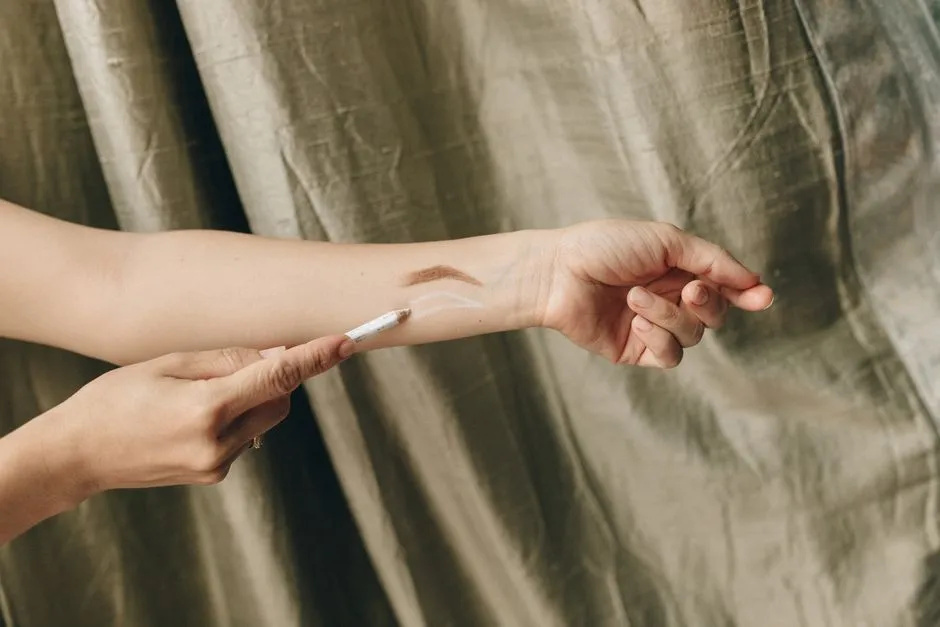
- Powder controls movement; spray changes the finish
- The differences at a glance
- What setting powder actually does
- What setting spray actually does
- Choose by skin and base, not a universal rule
- How to apply setting powder without cake
- How to apply setting spray evenly
- Using powder and spray together
- Common failures and what to change
- Buy one, both, or neither
Powder controls movement; spray changes the finish
Setting powder and setting spray overlap, but they are not interchangeable. Powder absorbs surface oil and adds a dry layer that helps cream and liquid makeup move less. Spray distributes a fine liquid over the finished face; depending on the formula, it may soften a powdery look, add a dewy or matte finish, or leave film-forming ingredients that help makeup wear more evenly.
Choose powder when creasing, shine, or a mobile base is the main problem. Choose spray when layers look disconnected, the finish is too flat, or you want a final mist without adding more powder. Use both when different parts of your makeup need different jobs. Many people need neither for a light everyday base.
The differences at a glance
| Question | Setting powder | Setting spray |
|---|---|---|
| Main job | Absorb oil and set cream or liquid layers | Merge the finish and, in some formulas, add hold |
| Best for | Shine, creasing, transfer-prone base | Powderiness, finish adjustment, overall final step |
| Common formats | Loose or pressed; translucent or tinted | Pump mist; matte, natural, or dewy finish |
| Main risk | Dry, heavy, cakey, or textured appearance | Droplets, tightness, irritation, or a finish you did not want |
| Application tool | Puff, sponge, or brush | Built-in spray pump, sometimes a sponge for correction |
| Can be targeted? | Very precisely | Less precisely, though you can shield areas |
The labels "setting" and "finishing" are not applied consistently across brands. Read what the formula promises and how it is meant to be used rather than assuming every setting spray maximizes wear or every finishing powder is only decorative.
What setting powder actually does
A cream or liquid base stays flexible after application. Powder gives it a drier surface and can absorb some oil that appears later. That is why a small amount under the eyes may reduce concealer creasing and a targeted layer through the T-zone may keep shine from breaking through as quickly.
Powder does not glue makeup permanently to the face. Facial movement, rubbing, sweat, oil, and time still affect wear. Applying more can increase the initial matte effect, but beyond a point it creates visible texture without solving the reason the base is moving.
Loose versus pressed powder
Loose powder is easy to pick up in a controlled amount with a puff or brush and works well for setting larger areas. It can also be messy and easy to overapply. Pressed powder travels better, makes touch-ups simpler, and usually lays down less product per tap. The compact may develop a hardened surface if oily tools repeatedly touch the pan.
Neither format is automatically more finely milled or more natural. That depends on the individual product and application.
Translucent versus tinted powder
Translucent powder aims to change color as little as possible, but "translucent" does not mean invisible on every depth of skin or in every lighting condition. A formula can leave a pale or ashy cast when applied heavily. Tinted powders can blend more naturally or add coverage, but an imprecise shade may alter foundation color.
If photography matters, test the exact powder, amount, sunscreen, and foundation together under flash before the event. A powder that looks seamless in a bathroom mirror can still read differently in a high-contrast photograph.
What setting spray actually does
A setting spray applies water, solvents, humectants, film-formers, oils, or other cosmetic ingredients in a fine pattern, depending on its formula. As the liquid evaporates, it can take down the dry look of powder and make separate layers appear more unified. Some formulas leave more hold; others mainly change the finish.
A dewy mist may make dry skin look fresher but can also bring back shine where you did not want it. A strongly matte or long-wear formula may feel tight on dry or sensitive skin. Fragrance and alcohol are not automatic deal-breakers for everyone, yet they can be uncomfortable for some users. The only useful category is the one your face tolerates and your makeup actually needs.
Spray quality matters too. A fine, even mist is easier to use than large droplets that mark the base. If the nozzle spits, wipe it and clean it as the package directs rather than holding it closer to compensate.
Choose by skin and base, not a universal rule
Oily or shine-prone skin
Start with a thin, compatible base and press a small amount of powder into the areas that become shiny first. A fluffy brush leaves a lighter finish; a puff gives more control and pressure. You can finish with a matte or natural spray if it improves wear, but the spray does not replace strategic oil control.
Carry pressed powder or blotting paper for touch-ups. Adding loose powder over several hours of oil can build a thick paste-like layer, so blot first and then use the smallest amount needed.
Dry or textured skin
Powder only where makeup moves: perhaps beside the nose, under the eyes, or over a spot-concealed area. Leave comfortable zones alone. A natural or dewy spray can reduce a visibly dusty finish, though it cannot moisturize away flakes underneath the makeup.
Skin preparation matters more than adding a rescue product at the end. Let moisturizer settle, avoid piling incompatible textures, and choose a base with the finish you want. Our tinted moisturizer and skin tint guide is a useful route when full foundation and heavy setting layers feel like too much.
Combination skin
Treat zones separately. Powder the oily center of the face and use little or none on drier cheeks. Mist the whole face only if the chosen finish works everywhere, or shield the areas where you do not want added dew. A face does not have to receive one uniform technique.
Sensitive eyes or skin
Avoid breathing in loose powder or spray mist, keep both products out of the eyes, and apply in a ventilated space. Close your eyes before spraying and allow the mist to settle rather than walking directly through it. Patch-test a new fragranced or active-heavy formula if your skin is reactive, and stop if irritation persists.
How to apply setting powder without cake
- Let wet layers settle. Blend foundation and concealer fully. Correct creases before powdering; powder can lock a crease in rather than erase it.
- Load the tool lightly. Pick up powder, then tap or work the excess into the puff or brush. The goal is an even veil, not visible dust.
- Press where movement is the problem. A small puff suits the sides of the nose and under-eyes. A soft brush suits a sheer pass across a larger area.
- Leave stable areas alone. If the cheek makeup already looks good and does not move, it does not need powder simply because the step appears in a tutorial.
- Check in ordinary light. Look at the hairline, brows, nose creases, and jaw for pale residue or uneven tint.
"Baking" leaves a noticeable layer of loose powder on selected areas before brushing away the excess. It can create a very matte, high-coverage finish for particular makeup styles, but it is not necessary for routine setting and can emphasize dryness or texture. Use the technique because you like that result, not because powder supposedly needs minutes to start working.
How to apply setting spray evenly
Shake the product if its directions say to. Hold it at the label's recommended distance, close your eyes and mouth, and mist in a controlled pattern. Two light passes usually give you more control than one saturated blast, but the package instructions take priority because pumps and formulas vary.
Let the spray air-dry without rubbing. Fanning is fine if it does not disturb the base. If a large droplet lands, do not immediately wipe it; give it a moment, then press the edge gently with a clean sponge if a mark remains.
You can also mist a clean sponge or brush when you want targeted application, provided the product directions allow it. Do not soak tools and return them wet to a powder compact, where moisture can change the surface and create a hygiene problem.
Using powder and spray together
The most reliable order is cream and liquid makeup, targeted powder, remaining powder color products, then setting spray. Powder handles movement and oil where needed; the final mist helps the layers look less separate. Once dry, you can add a tiny touch of powder to a still-shiny spot.
More layers do not guarantee more wear. If foundation separates before you reach the spray, the likely issue may be excess skincare, incompatible base textures, too much product, rubbing, or oil breakthrough. Our drugstore versus high-end foundation guide explains why price alone does not fix formulation or shade fit.
For a minimal kit, buy the product that solves the problem you actually see. The makeup kit essentials guide uses the same rule: a category is not essential just because it exists.
Common failures and what to change
- Powder looks dry immediately: use less, target fewer areas, and try a softer brush or more compatible base.
- Concealer still creases: smooth the crease first, reduce the amount of concealer, then press on a very thin powder layer.
- Spray leaves dots: increase to the label distance, clear the nozzle, and use shorter passes.
- The face becomes shiny after spray: choose a natural or matte finish, shield oily zones, or use less mist.
- Makeup pills: let skincare and sunscreen settle and avoid rubbing repeated layers. Powder and spray cannot repair rolled-up base underneath.
- Color turns pale or muddy: test the powder tint and amount on top of the exact foundation; "translucent" may not be invisible.
Buy one, both, or neither
Buy setting powder if you regularly fight creasing, shine, or a base that stays tacky. Buy setting spray if the finished face looks too powdery, you want a controlled finish shift, or a compatible film-forming mist improves your wear. Use both lightly if those needs coexist in different stages.
Skip both when your everyday base already looks and wears the way you want. A skin tint, cream blush, and a quick brow may not need to be sealed into a full-day system. The best setting routine is the smallest one that produces a finish you still like several hours later.